Condition
Knee Pain
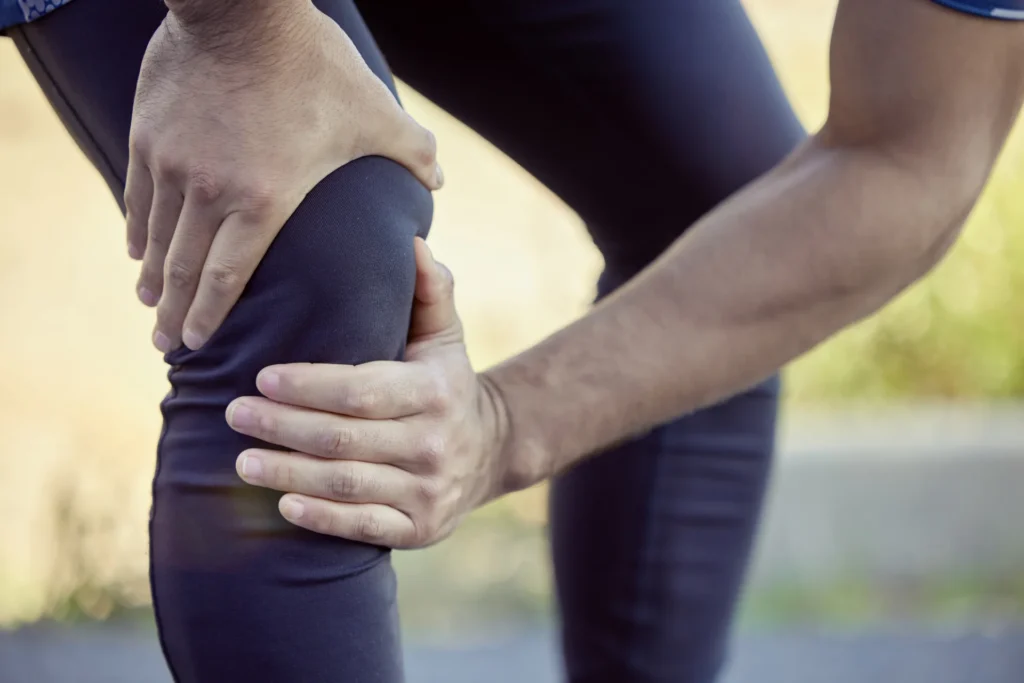
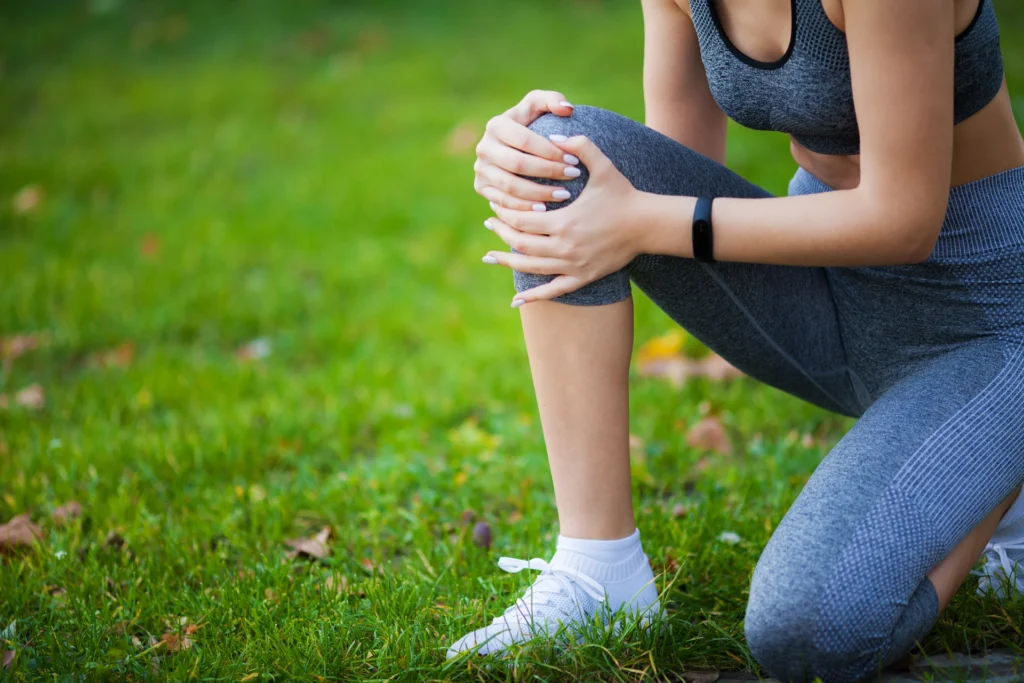
Knee pain is one of the most common musculoskeletal complaints seen in clinical practice, affecting people of all ages and activity levels. It can present as a sharp pain during movement, a persistent ache after periods of activity, stiffness first thing in the morning, or swelling that develops following injury or overuse. For many people it becomes a limiting factor in exercise, work, and everyday life.
The knee is a complex joint, relying heavily on the surrounding muscles, tendons, and ligaments for stability. It also functions as part of a chain that includes the foot, ankle, hip, and lower back, meaning that problems elsewhere in that chain frequently contribute to knee symptoms. A complaint that appears straightforward at the knee may have its origins further up or down the body.
Common causes and contributing factors include:
- Patellofemoral pain syndrome — pain around or behind the kneecap, often aggravated by stairs, squatting, or prolonged sitting
- Iliotibial band syndrome — lateral knee pain commonly associated with running or cycling
- Meniscal irritation or injury
- Ligament sprains, including the medial and lateral collateral ligaments
- Tendinopathy of the patellar or quadriceps tendons
- Osteoarthritis, particularly in older adults
- Referred pain from the hip or lumbar spine
- Biomechanical factors such as foot pronation, hip weakness, or altered gait patterns
It is increasingly recognised that knee pain, particularly in younger and active populations, is often a load management issue rather than a structural one. Understanding how the knee is being used and what demands are being placed on it is central to effective management.
Condition
How We Can Help
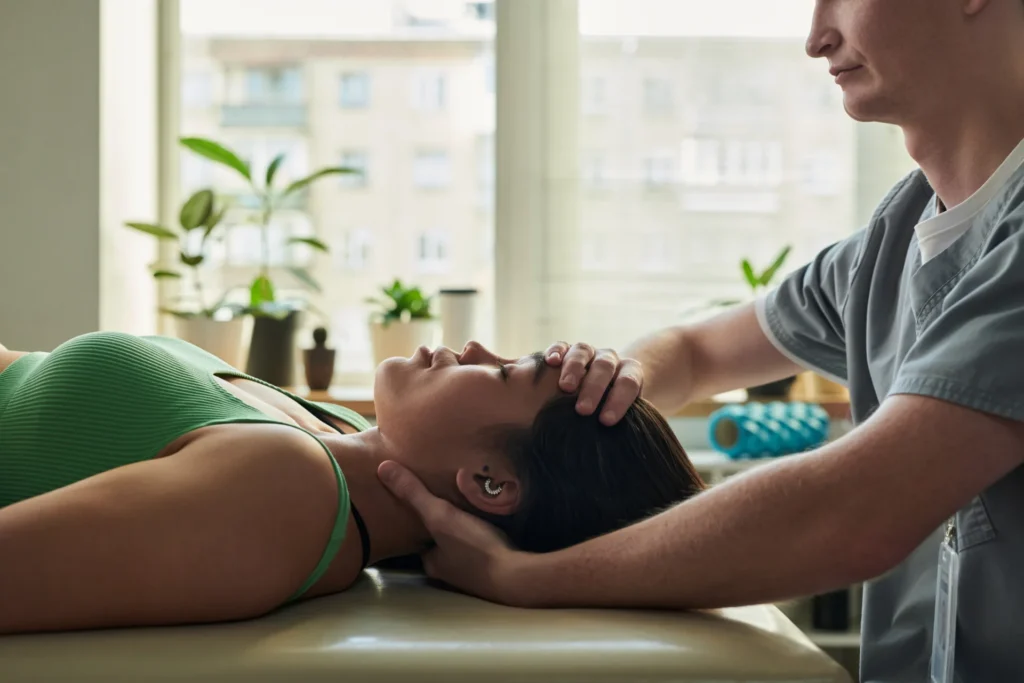
At Angel Spine Clinic, knee pain is assessed, with a focus on the knee itself as well as the wider lower limb and spinal mechanics that influence it. Our practitioners are well placed to identify and address the contributing factors that keep knee pain going beyond the initial complaint.
Treatment may include:
- Mobilisation of the knee joint and surrounding structures to restore range of motion
- Soft tissue techniques to address tension in the quadriceps, hamstrings, iliotibial band, and calf musculature
- Assessment and treatment of the hip, pelvis, and lumbar spine where biomechanical contributions are identified
- Muscle energy techniques to correct imbalances in the lower limb
- Gait and movement assessment to identify patterns placing excessive load on the knee
- Rehabilitation exercises to strengthen the hip, quadriceps, and surrounding stabilisers
- Advice on load management, training modification, and self-care strategies
Research consistently highlights the importance of exercise-based rehabilitation for knee pain, particularly for patellofemoral pain and knee osteoarthritis. Manual therapy used alongside exercise has been shown to improve outcomes in both pain and function.
Your Questions, Answered
Frequently Asked Questions
Can a chiropractor or osteopath help with knee osteoarthritis?
Yes. While osteoarthritis is a degenerative condition that cannot be reversed, its symptoms can be managed effectively. Manual therapy, exercise rehabilitation, and load management strategies can meaningfully reduce pain and improve function. It is also worth noting that the degree of degeneration seen on imaging does not always correlate with the level of pain experienced, and many people with significant findings on scan respond very well to conservative care.
My knee pain started after I increased my running. Is that significant?
Very likely. A sudden increase in training load is one of the most common triggers for knee pain in active individuals. This does not mean you need to stop running entirely, but it does suggest that load management and a structured return to activity will be important parts of your recovery.
Could my knee pain be coming from my hip or lower back?
Yes, this is more common than many people realise. The hip and lumbar spine significantly influence how load is distributed through the knee. Weakness or dysfunction at the hip in particular is frequently implicated in knee complaints, and addressing it is often a key part of effective treatment.
Do I need a scan before being seen?
In most cases, no. A thorough clinical assessment is usually sufficient to understand what is going on and guide treatment. If imaging is considered necessary, your practitioner will advise you and can refer where appropriate.
Patient Stories
Trusted Across London
See why patients recommend our services through honest reviews and positive experiences.
Trustindex verifies that the original source of the review is Google.
Petros and Dianna are both amazing. The only reason I can manage walking without a walking stick is the treatment I receive from them every week. Their treatment improved my quality of life. I would highly recommend them both.Posted on Google
 Tina DasBoth practitioners are amazing and good at the job they do. They are friendly and provide impeccable due care in the treatment they deliver. Absolutely worth every minute.Posted on Google
 Just I.JI have been having sessions with Diana and Petros since last year August 2025, their advice guidance and treatment is second to none. When I began at Sel Therapy I was stiff and struggling to move, with my head feeling very very heavy resting on my neck and I was also having an uncomfortable aching pain throughout my arms, which I could not ignore all day. The mobilisation techniques they have used have freed up my neck, shoulders and head and I have felt quite a reduction in the aching in my arms. I am so grateful for Diana and Petros, their attentiveness and care is a different option to taking pain killers every day, which is not recommended or something I would consider. You will not be disappointed if you try this service and you will see improvement instantly, you do have to be prepared to do the stretches and help yourself but they certainly get you onto a great path. Thank you Diana & Petros 😊Posted on Google
 JojoThank you so much for everything. my back who is giving me so much grief in the last few years feels so much better and stronger. i can move more freely. I improve more and more after every treatment.Posted on Google
 Oshra MurphyWhen I first visited Diana for a running injury, I honestly thought my running days were over. I was dealing with constant pain that seemed to travel from my hips down both legs and even into my neck. From the very first session, I noticed a huge improvement, and Diana also gave me tailored strength exercises to help rebuild my body properly. Fast forward just 6–7 months, and I’m now running faster and further than before — completely pain-free. I can confidently say I will complete my half marathon without injury, something I never thought would be possible. Diana has been incredible throughout the whole process, and I genuinely can’t recommend her highly enough!Posted on Google
 Stephanie VineI have been receiving ongoing maintenance care and cannot recommend Diana and Petros enough! Every appointment makes me feel lighter, looked after and free from pain.Posted on Google
 Carrie-Anne DooleyI highly recommend Petros. He is professional, knowledgeable, and genuinely cares about his patients. He took the time to understand my concerns and explain everything clearly. Since starting treatment, I’ve noticed a real improvement, and every visit has been a positive experience. If you’re looking for a skilled and caring chiropractor, I would definitely recommend Petros.Posted on Google
 Andreas BainetasDiana's excellent care and genuine attention create a great treatment environment where healing is not only possible but certain.Posted on Google
 Mathias Cobbaut
What We Treat
Common Conditions
We treat a wide range of musculoskeletal conditions — from everyday discomfort to complex, long-standing pain.